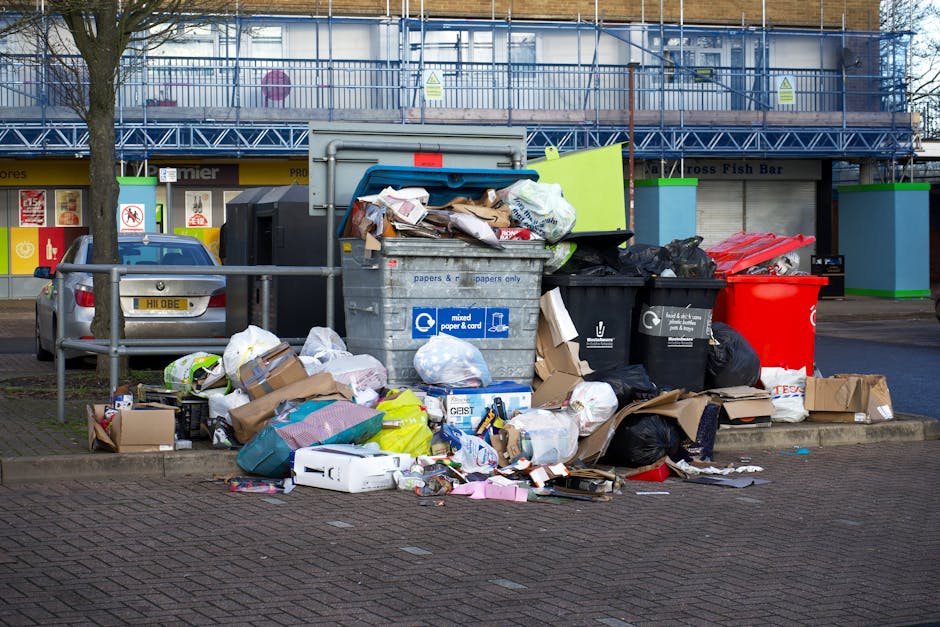
Colindale Station rubbish collection NW9: a practical guide to cleaner, faster waste removal
If you are dealing with clutter, bulky rubbish, or a sudden clear-out near Colindale Station, you already know the awkward bit is not always the lifting. It is the timing, access, and making sure the waste goes somewhere proper. Colindale Station rubbish collection NW9 is really about taking that stress off your plate, whether you are clearing a flat, a shop, an office, or just a room that has slowly turned into a holding zone for things you meant to deal with months ago.
In this guide, we will walk through how rubbish collection works in the Colindale NW9 area, what to expect, what to avoid, and how to choose the right approach for your situation. We will also cover best practice, common mistakes, and the kinds of jobs where a same-day clearance can make life much easier. Truth be told, once the pile starts blocking a hallway or a loading bay, you feel it everywhere.
For readers looking for broader waste support across homes and businesses, it can also help to understand related services such as general waste removal, business waste removal, and builders waste clearance. The right fit depends on what you need moved, how quickly it needs to happen, and how much access you have.
Table of Contents
- Why Colindale Station rubbish collection NW9 Matters
- How Colindale Station rubbish collection NW9 Works
- Key Benefits and Practical Advantages
- Who This Is For and When It Makes Sense
- Step-by-Step Guidance
- Expert Tips for Better Results
- Common Mistakes to Avoid
- Tools, Resources and Recommendations
- Law, Compliance, Standards, or Best Practice
- Options, Methods, or Comparison Table
- Case Study or Real-World Example
- Practical Checklist
- Conclusion
- Frequently Asked Questions
Why Colindale Station rubbish collection NW9 Matters
Colindale is busy. You get commuters, residents, small businesses, ongoing building work, and a steady flow of deliveries and refurbishments. That means rubbish can build up quickly, and when it does, it tends to create more than just an eyesore. It can slow down access, create odours, attract pests, and make it harder to use communal spaces properly. Near a station, that matters even more because foot traffic is constant and space is at a premium.
For homes, rubbish collection is often about reclaiming usable space. For businesses, it is usually about keeping things safe, presentable, and operational. A pile of broken chairs, packaging, old shelving, or mixed waste near a shopfront is not just annoying; it can also affect how customers, staff, or contractors move through the property. Nobody wants to work around a pile of mystery bags by the door. Let's face it, that gets old quickly.
There is also a practical timing issue. Local rubbish collection is most useful when you cannot wait for slower routes, awkward council collection windows, or a skip permit that may not suit your site. If you are working around train times, limited parking, or narrow access roads, an arranged collection often makes more sense than trying to manage it all yourself.
How Colindale Station rubbish collection NW9 Works
In simple terms, rubbish collection means a team comes to the property, loads the waste, and removes it for sorting, disposal, or recycling. The process is usually more flexible than a skip and less disruptive than trying to move everything in multiple car trips. That flexibility is one of the main reasons people in NW9 search for this kind of service in the first place.
A typical collection follows a few clear stages:
- Assessment - You describe the type of waste, volume, access conditions, and timing.
- Quotation - A price estimate is provided based on what needs removing and how much labour is involved.
- Arrival - The collection team attends the site at the agreed time.
- Loading - Waste is lifted, sorted where possible, and loaded safely.
- Removal - The waste is taken away for processing, recycling, or disposal.
The detail that often gets missed is access. Around a station, you may have tight pavements, controlled parking, shared entrances, or limited stopping time. A good collection plan takes all that into account before anyone turns up. If you can, measure stairwells, note any lift restrictions, and mention whether the rubbish is inside, outside, or in a back yard. It sounds obvious, but these little details save everyone a headache.
For mixed household or commercial loads, it can be helpful to look at related disposal routes too, such as house clearance, home clearance, or office clearance depending on the setting. Each has a slightly different rhythm, and that matters when space is tight.
Key Benefits and Practical Advantages
The main benefit is straightforward: less hassle. But in practice, there are several advantages that make organised rubbish collection a smart choice in Colindale NW9.
- Faster clear-outs - Useful when you need a space back quickly.
- Less lifting for you - Particularly valuable with bulky or heavy items.
- Better for awkward access - Good for flats, basements, and properties near busy roads.
- Cleaner finish - Waste is removed in one go rather than lingering for days.
- More adaptable than a skip - Helpful if you do not have room for a skip or cannot permit one.
- Useful for mixed waste - Especially when the load includes furniture, packaging, or building debris.
One practical benefit people appreciate is how quickly a room feels different once the rubbish is gone. A hallway suddenly opens up. Light reaches the floor again. You can hear your own footsteps. Small thing, maybe, but it changes how the whole property feels.
There is also a planning benefit. When rubbish is collected in a structured way, it is easier to separate items for reuse or recycling where appropriate. If sustainability matters to you, that can be a real plus. For some jobs, the difference between a rushed dump and a managed collection is the difference between waste and recoverable material.
If recycling and disposal practices matter to you, it is worth reading about recycling and sustainability and also checking what can go in a skip so you know what generally belongs in mixed waste and what needs separate handling.
Who This Is For and When It Makes Sense
This service is not just for big clear-outs. In fact, many Colindale Station rubbish collection jobs are quite ordinary on the surface. The real issue is usually inconvenience, urgency, or access. If any of the following sounds familiar, rubbish collection may be the right call.
- Tenants moving out who need to leave a flat tidy and empty.
- Landlords dealing with leftover household waste after a tenancy.
- Shop owners replacing fixtures, packaging, or display materials.
- Office managers clearing desks, chairs, shredding waste, or old equipment.
- Builders and decorators handling rubble, offcuts, and packaging.
- Families sorting out garages, lofts, or rooms that have got out of hand.
- Anyone with bulky items that are too awkward for normal bins.
Sometimes the question is not "do I need collection?" but "how much longer do I want to live with this mess?" That sounds blunt, but it is often the truth. If the pile is in the way, the answer is probably sooner rather than later.
For homes with more varied contents, you might also look at flat clearance, furniture clearance, or garage clearance. These are useful when the job is more than a simple bag-and-bin collection.
Step-by-Step Guidance
If you want a smoother experience, a little preparation helps a lot. Here is the most practical way to approach rubbish collection in the Colindale Station NW9 area.
- Sort the waste into broad groups. Separate general rubbish, furniture, electronics, and anything that may need special handling.
- Check access. Note stairs, lift access, parking restrictions, loading zones, and any tight doors or corridors.
- Estimate the volume. A few bags is very different from a loft full of mixed clutter. Roughly compare it to bin bags, boxes, or room space.
- Identify restricted items. Items like fridges, certain appliances, chemicals, and some construction waste may need specific handling.
- Take photos if helpful. A few clear images can make quoting easier and reduce surprises.
- Book a suitable time. Choose a slot that avoids peak access issues if you are near the station or on a busy street.
- Clear the route. Move small obstacles out of the way so loading can happen safely and quickly.
A tiny bit of planning goes a long way. It is one of those jobs where ten minutes of thought can save an hour of faffing about later. And yes, faffing is a technical term in practice, if not in policy.
If the load includes office records or sensitive paperwork, you should separate them before collection and consider confidential shredding. Mixed waste is one thing; loose personal data is another entirely.
Expert Tips for Better Results
After enough clear-outs, you start to notice patterns. The jobs that go well are rarely the ones with the fanciest planning. They are the ones where the basics are done properly.
- Be honest about volume. Underestimating the load is the quickest route to delays or extra cost.
- Flag difficult access early. Narrow stairs, no lift, and parking problems are manageable if they are known in advance.
- Separate reusable items. If something can be donated, sold, or kept, move it aside before the collection day.
- Keep hazardous items apart. Do not bury batteries, chemicals, or sharp waste in a general pile.
- Ask how loading is handled. Some jobs need one person, others need two. Better to know upfront.
- Choose the right service type. A flat clearance, furniture disposal, or builders waste clearance may fit better than a broad waste removal booking.
One small but useful tip: if rubbish is in a rear alley or courtyard, check whether the route stays clear all the way through. In busy parts of NW9, things get left in odd places. A shopping trolley, a delivery crate, even a parked scooter can turn a simple collection into a slow shuffle. Not ideal.
For larger household jobs, house clearance or loft clearance can be a better fit than treating everything as loose rubbish. That distinction saves time and usually leads to a cleaner result.
Common Mistakes to Avoid
Most problems in rubbish collection come from a handful of avoidable mistakes. None of them are dramatic on their own, but together they can make the job harder, slower, and more expensive than it needs to be.
- Mixing everything together. General waste, furniture, and hazardous items should not all be lumped into one vague pile.
- Ignoring access constraints. A collection team cannot safely magic rubbish through a locked gate or a blocked corridor.
- Waiting until the last minute. If you need a property clear for handover or work starting on Monday, do not leave it to Sunday afternoon.
- Assuming all items can go anywhere. Fridges, paint, and certain appliances may need special handling.
- Forgetting about building rules. Flats and managed properties sometimes have their own collection windows or requirements.
- Choosing a service without checking the scope. An office job is not always the same as a household clear-out, even if the waste looks similar.
A classic one is the "we thought it was only a few bags" problem. It happens all the time. Then the spare room is suddenly full of broken shelving, an old wardrobe, and half a dismantled desk. Happens to the best of us, honestly.
Tools, Resources and Recommendations
You do not need specialist equipment for a typical rubbish collection, but a few simple tools and materials make the process much smoother.
- Heavy-duty bin bags for general light waste.
- Marker pen and labels if you want to separate keep, donate, and remove.
- Gloves for handling dusty, sharp, or awkward items.
- Cardboard boxes for loose items, cables, or mixed small goods.
- Phone camera for quick documentation of the pile before collection.
- Tape or straps to secure doors or bundles where needed.
For businesses, a few additional checks are worthwhile. Review your site access, note any shared corridors, and make sure staff know what should be removed. If the waste includes commercial documents or archive material, keep that separate and tidy so it can be handled correctly.
You may also want to look at pages covering office clearance and business waste removal if your rubbish is connected to a workplace move, refit, or end-of-lease tidy-up. For specialist items, the service pages for fridge and appliance removal and mattress and sofa disposal are also worth knowing about.
Law, Compliance, Standards, or Best Practice
With rubbish collection, compliance matters more than many people realise. In the UK, waste has to be handled carefully, especially if it includes items that may be classed as hazardous, electrical, sharp, confidential, or contaminated. You do not need to be an expert yourself, but you should be confident that waste is being handled responsibly.
The basic best practice is simple: keep waste separated where needed, do not mix hazardous items into general rubbish, and use a provider that treats disposal and recycling properly. If you are a business, you also have an added duty to make sure your waste is managed in a way that is suitable for commercial activity. That means being organised, keeping records where appropriate, and not leaving disposal decisions to chance.
For safer working, it is sensible to check a provider's health and safety policy, insurance and safety approach, and hazardous waste disposal capability if any awkward materials are involved. If you are not sure whether something is safe to mix into a load, it is better to ask than to guess.
One quiet but important point: compliance is not only about avoiding problems. It is also about showing respect for neighbours, staff, and the local environment. That matters in dense areas like Colindale where one badly handled rubbish pile can affect several properties at once.
Options, Methods, or Comparison Table
There are a few ways to deal with rubbish in Colindale Station NW9. Which one is best depends on volume, timing, access, and the type of waste.
| Method | Best for | Advantages | Watch-outs |
|---|---|---|---|
| Ad hoc self-haul | Very small loads | Cheap in direct cost, flexible timing | Time-consuming, transport issues, multiple trips |
| Skip hire | Ongoing work or large bulky volumes | Good for mixed builders waste, stays on site | Needs space, may need permits, can be awkward near stations |
| Rubbish collection / man-and-van style clearance | Fast clear-outs, flats, mixed loads | Quick, labour included, good for access problems | Less suitable for very large continuous projects |
| Specialist item removal | Fridges, mattresses, sofas, appliances | Safer for bulky or regulated items | May need separate booking for certain materials |
As a rule of thumb, choose the method that matches the reality of your site, not the method that sounds cheapest at first glance. A low headline cost is not much help if you cannot get the waste out without three extra trips and a sore back.
If you are weighing up skip-style disposal versus collection, the page on what can go in a skip can help you understand what typically belongs in a mixed load. For many people, that makes the decision much clearer.
Case Study or Real-World Example
Here is a realistic example based on the kind of job that comes up often around NW9.
A small flat near Colindale Station had built up a mix of cardboard, broken shelving, an old mattress, and a few bags of household rubbish after a move. The resident was between tenancies and needed the place cleared quickly for cleaning and photos. There was no lift, the staircase was narrow, and parking outside was tight until mid-morning.
The sensible approach was to separate the load first. Reusable bits were kept aside, the mattress was identified for disposal, and the remaining waste was grouped by type. The team arrived in a timed slot after the morning rush, which meant better access and less waiting around. The whole job was done in one visit.
The interesting part was not the amount of rubbish. It was the relief. Once the corridor was clear, the flat looked bigger and brighter, and the final clean took far less time. That is often the real value of rubbish collection in a busy London location: not just taking things away, but helping the property feel usable again.
For situations like this, services such as mattress and sofa disposal and furniture disposal can be especially useful when the clutter includes bulky items that do not fit a standard bin routine.
Practical Checklist
Use this quick checklist before your collection day.
- Have you sorted the waste into general, bulky, and specialist items?
- Have you checked access, stairs, lifts, and parking?
- Do you know roughly how much needs to be removed?
- Have you identified anything hazardous or confidential?
- Have you cleared a path from the waste to the exit point?
- Have you told anyone else in the property about the collection time?
- Have you kept items you want to retain or donate separate?
- Have you confirmed whether the job is for household, office, or builders waste?
- Are fragile or sharp items safely packed?
- Do you know who to contact if access changes on the day?
Expert summary: the smoother the access, the clearer the waste categories, and the more accurate the description, the better the collection usually goes. That is the honest version. Nothing glamorous, just good preparation.
Conclusion
Colindale Station rubbish collection NW9 is at its best when it solves a real problem quickly and without drama. Whether you are clearing a flat, dealing with office waste, removing bulky furniture, or just trying to regain space in a busy part of London, the value is in the convenience and the careful handling.
The smartest approach is simple: be clear about what needs removing, think about access early, and choose the service that fits the job rather than the one that merely sounds easiest. Do that, and the whole process becomes much calmer. Less mess, less hassle, fewer surprises. Nice, really.
If you are ready to move from "I should deal with this" to "it is finally gone," explore the service pages that fit your situation and make a plan that actually works for your property, your timetable, and your peace of mind.
Get a free quote today and see how much you can save.
Frequently Asked Questions
What does Colindale Station rubbish collection NW9 usually include?
It usually includes the removal of general rubbish, bulky items, mixed household waste, or site waste from properties near Colindale Station in NW9. The exact scope depends on the booking and the type of material.
Is rubbish collection better than hiring a skip in Colindale?
It depends on access and volume. Rubbish collection is often better for tight spaces, flats, and quicker clear-outs. A skip can be better for longer projects with a steady flow of waste and enough space to place it.
Can you arrange rubbish collection for a flat near the station?
Yes, that is one of the most common uses. Flats often have stairs, lifts, shared hallways, and parking restrictions, so collection can be far more practical than trying to move waste yourself.
What kind of rubbish is hardest to deal with?
Bulky furniture, mixed waste, and items that need special handling such as appliances or hazardous materials can be harder to manage. They need a bit more planning than standard bags of rubbish.
Do I need to sort everything before collection?
You do not always need to sort waste into tiny categories, but broad separation helps. General rubbish, furniture, appliances, and hazardous items should be kept apart where possible.
How do I know if my waste needs special disposal?
If it includes chemicals, paint, fridges, electrical items, sharp waste, or confidential material, it may need special handling. When in doubt, ask before the collection day.
Is same-day rubbish collection realistic in NW9?
It can be, depending on schedule, access, and the amount of waste. Same-day or next-day collections are often useful when a property needs to be cleared quickly.
What should I do with an old mattress or sofa?
Bulky furniture is usually easier to manage through a dedicated disposal route rather than mixing it with ordinary rubbish. Specialist removal helps because these items can be awkward, heavy, and hard to fit into standard collection methods.
Can businesses use rubbish collection near Colindale Station?
Yes. Offices, shops, and commercial premises often use rubbish collection for fit-outs, refurbishments, and general clutter. Business waste usually benefits from a more organised approach.
How can I avoid extra charges on collection day?
Be accurate about the volume, mention access issues early, and separate restricted items from normal waste. Surprises on the day are what usually cause problems, not the job itself.
What happens to the rubbish after it is collected?
It is typically taken away for sorting, recycling where possible, and disposal of the remaining material. The exact process depends on the type of waste collected.
Where can I find more information about related services?
You can look at related pages such as waste removal, home clearance, and recycling and sustainability to match the service to your needs.